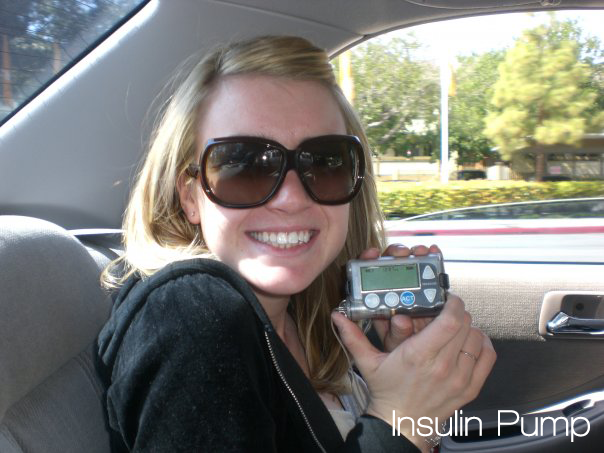
Insulin Pump vs. Injections
Treatment of Type 1 Diabetes is administered through injections of insulin into the fat layer under the skin. The insulin then moves into the blood stream and is used to lower blood sugar levels.
There are currently three different ways to administer the insulin through a syringe, pen or insulin ...
Gestational Diabetes
A pregnant women can be diagnosed with Gestational Diabetes during her second or third trimester of pregnancy. This is a direct result of intolerance to glucose and is typically detected during a routine screening. With 2-5% of expectant mothers being diagnosed with gestational diabetes, it makes th...
Type 2 Diabetes
Of the 29 million people suffering with diabetes, 90% are diagnosed with Type 2 Diabetes. Unlike type 1, type 2 comes on gradually and is a result of insulin resistance and deficiency. Insulin resistance happens when the muscles, liver and fat tissues do not properly use the insulin produced by the ...
Type 1 Diabetes
Diabetes Mellitus [mel-i-tuh s, muh-lahy-]: Also known as: type 1 diabetes, insulin-dependent diabetes or juvenile diabetes is an autoimmune disease in which an individual’s pancreas stops producing insulin, resulting in dependence on externally injected insulin.
While the reasons behind the deve...
Environmental Triggers
A common misconception is that type 1 diabetes is caused by unhealthy eating and lack of exercise. Doctors actually believe that T1D is caused by an environmental trigger in people with a genetic marker, not because of unhealthy lifestyle choices.
An individual will inherit a predisposition (or ...